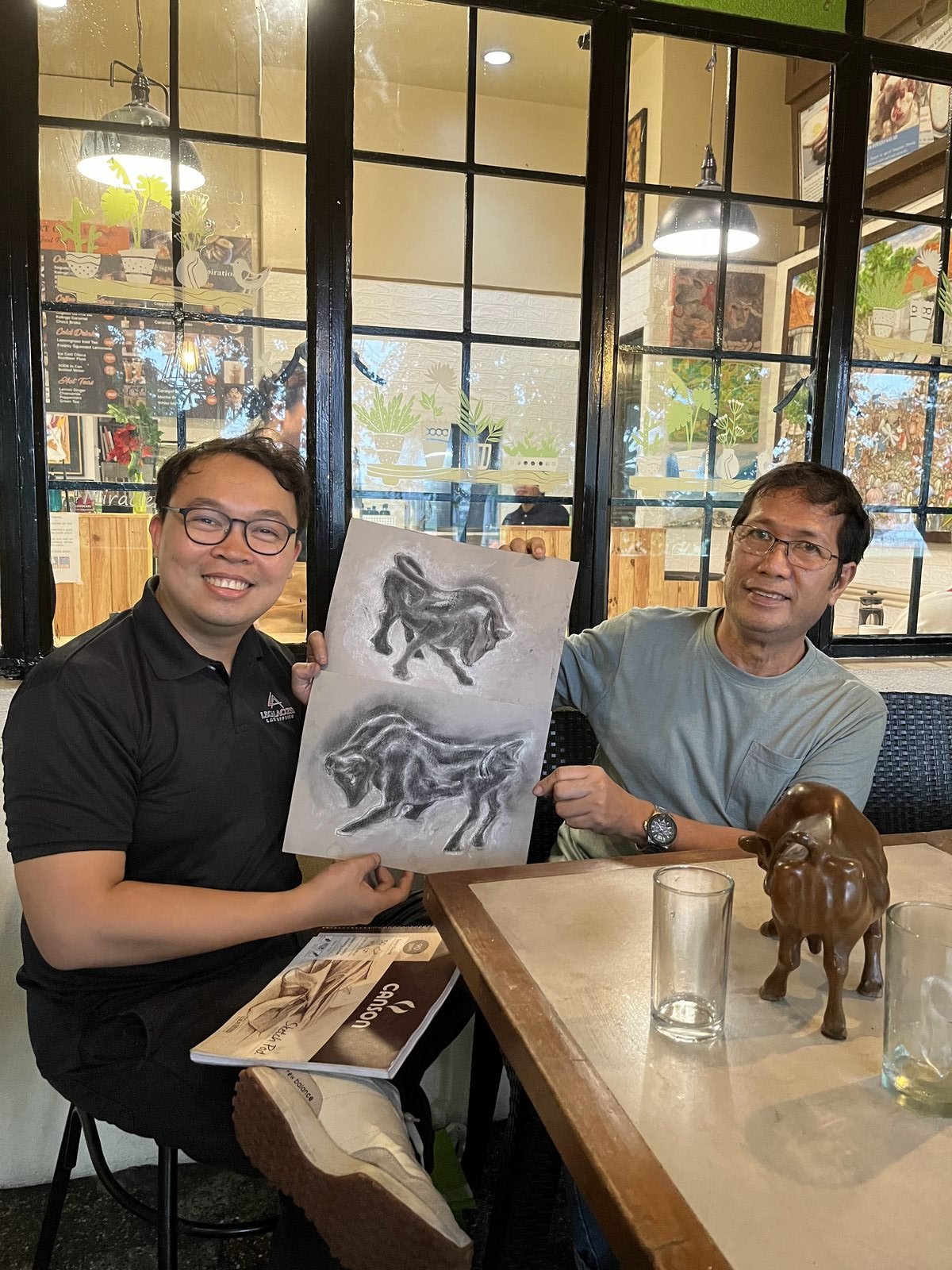
Not a lot of people know this.
I really wanted to go into fine arts.
I had a good drawing hand. Caricatures. Cartoons. The kind of lines that made people laugh before they even finished looking. One of my closest uncles was National Artist Larry Alcala. I idolized him for the longest time. He made the arts look like a life you could actually choose.
Then came the other life.
I was the only child of two lawyers. The idea of fine arts got shut down. Not cruelly. Just firmly. They would have been proud to see their only son follow the same professional path. So we struck a deal: finish law first. After that, I could do whatever I wanted. Including fine arts.
That was the bargain.
I took up law. I did my best. I passed. I started practicing. Before I knew it, I was almost twenty years in. Different areas. Real clients. Real problems. Real years.
Where did the time go?
That was the question. And right behind it: is it too late? What about the passions you set down so you could make a living?
I used to think I had let the arts go.
I hadn't.
The format changed. The love didn't. It never left. It just waited, quietly, while I built a career.
So what do you do with that? Accept that the window closed?
I decided not to.
I came across a small book called Tiny Experiments by Anne-Laure Le Cunff. The idea is simple and a little dangerous if you've spent years being "practical": the things that keep tugging at you are there for a reason. You don't have to blow up your life to honor them. You give them a container.
Two rules mattered most to me.
First: it has to be genuinely interesting to you. Not interesting because someone impressive said it should be.
Second: make the container tiny. Predetermine the term — a window you choose in advance. Mine was thirty days. No grand verdict. No identity crisis. Try it. If it fits, continue. If it needs changing, change it. If it isn't yours after all, stop — with permission.
You are not failing. You are testing.
I put out the call. A friend told me a former UP College of Fine Arts teacher was offering private portraiture classes. I jumped.
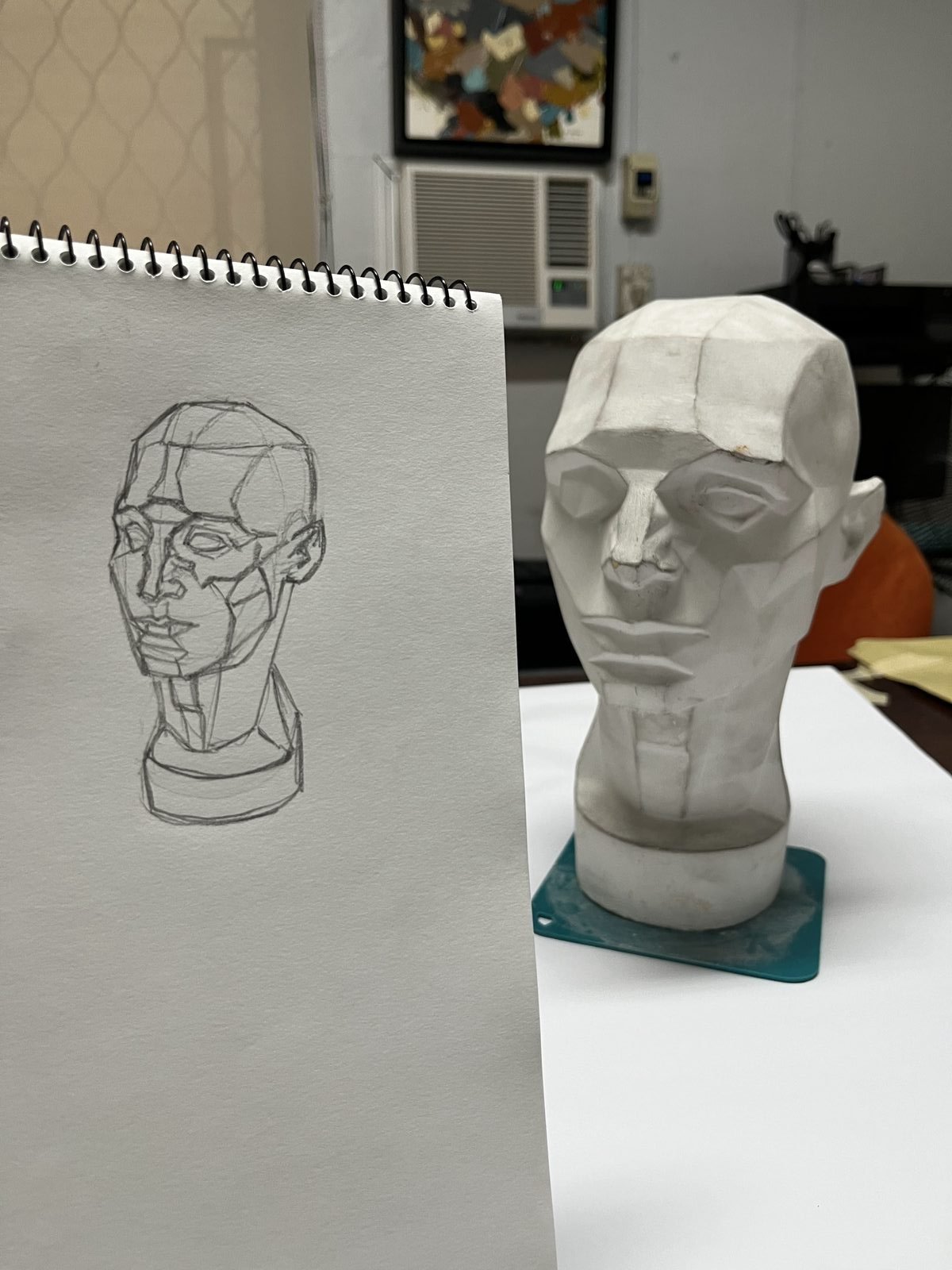
For a couple of months, once a week, I showed up.
It was phenomenal.
Shopping for art supplies was already a treat. Talking with people who saw the world in line and light felt like coming home to a room I had locked years ago. I made drawings and paintings I didn't know I still had in me.
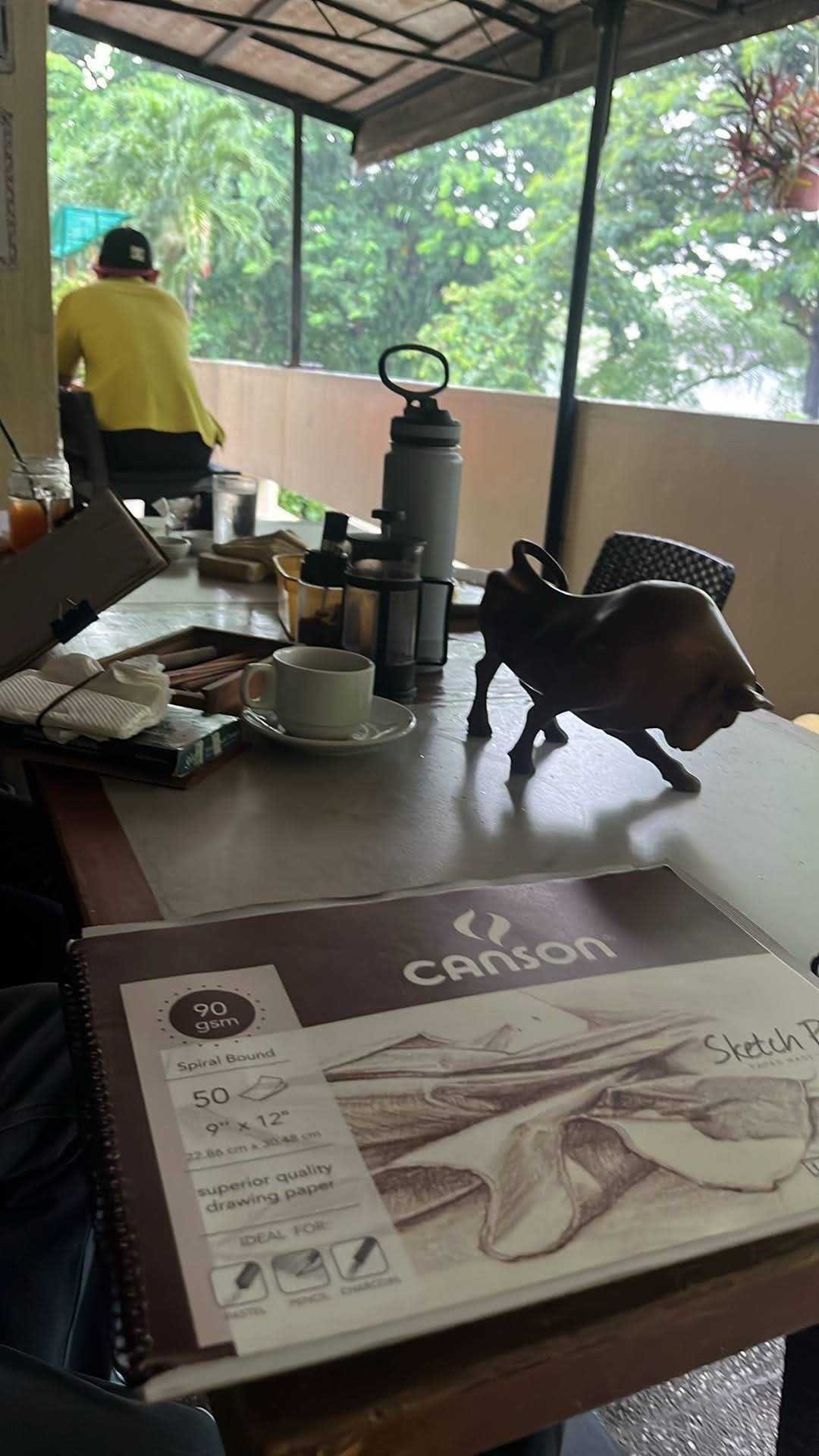
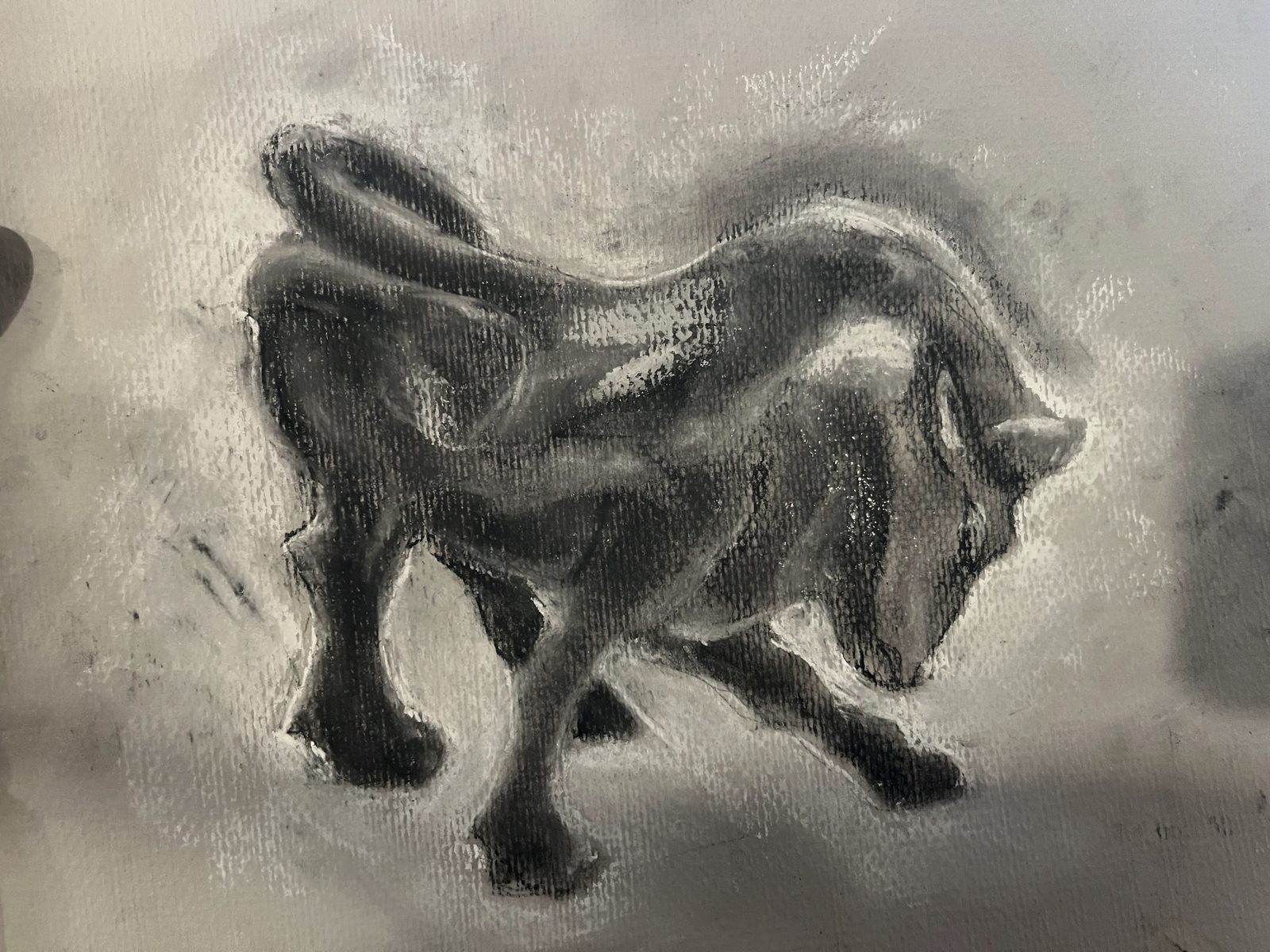
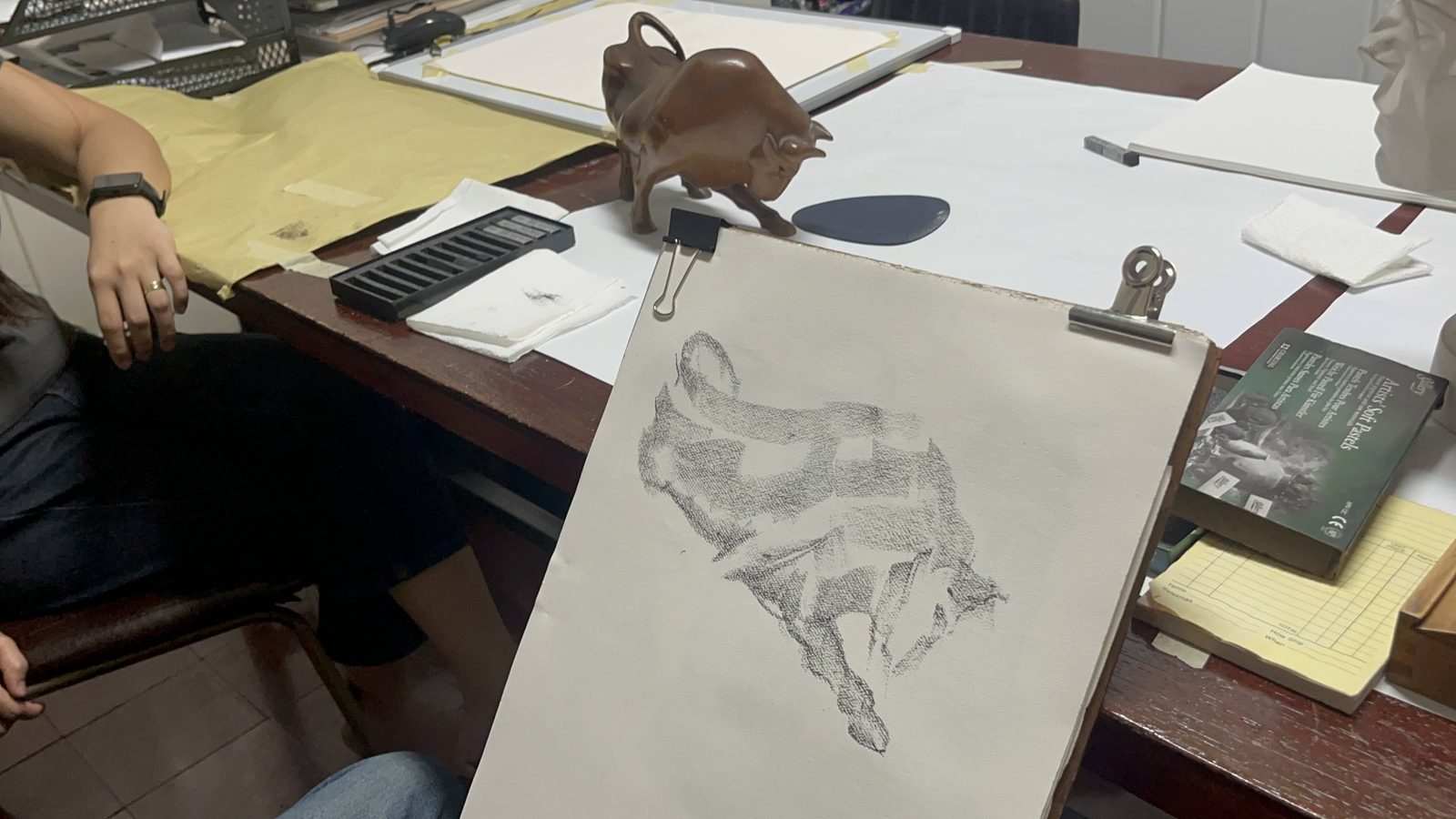
Then a book deadline arrived. Legal work. Writing. The usual gravity of the life I had actually built.
I chose the book. I stepped off the weekly class.
The class is still going. I'm welcome back anytime.
That part matters. The door didn't slam. I just paused.
What I learned
You don't need another degree to touch the thing you love.
Most passions have a smaller version of the real thing. Wanted to be a chef? Weekend culinary course. Wanted to be an artist? Weekend artist. Love trees and mountains? A hike. Shrink it until you can actually swallow the dose.
There is no judgment in a trial period.
The story that blocks people is usually this: all-in or not at all. A predetermined container already counts the moment you start. Continue or stop later. Secondary. You made space.
Give yourself a try while you still can.
The regret that weighs more than mistakes is often simpler: never giving the wanted life a turn. Mistakes are survivable. Unused curiosity sits heavier.
I didn't quit law. I didn't enroll in another college. I bought paper. I sat in a room once a week. I remembered my hand.
That was enough to prove the thing I was afraid of was wrong.
It was not too late.
It was just waiting for a smaller door.